Parents and pet owners share a common job that never ends: managing what lands on the floor. Between spilled juice, muddy paws, and the mysterious spots that appear out of nowhere, carpets carry the marks of daily life. The right cleaning approach can make a home healthier, calmer, and easier to maintain, especially when little hands and furry noses spend a lot of time at floor level. Drawing on experience from the field and the best habits used by reputable carpet cleaning services, this guide focuses on methods that keep indoor air cleaner, fabric fibers intact, and children and animals safe.
The Floor-Level Reality
Kids and pets explore with hands, mouths, and paws. That means residue left in the carpet does not stay theoretical. Dust, dander, detergent films, and the last traces of a spill all end up on skin and sometimes in mouths. Toddlers crawl and touch their faces constantly. Dogs nap where a warm patch of sun hits the floor and inhale whatever lingers in those fibers. That is why child and pet safety in carpet care is ultimately about residue control and good drying, not just stains and fresh smells.
Carpets also act like air filters. They trap particles that would otherwise stay airborne. When cleaned well and dried thoroughly, they help indoor air quality. When cleaned poorly, they release irritants with every footstep. The difference comes down to product choice, dwell time, agitation, rinse quality, and extraction power.
What “Safe” Means in Real Terms
Safety starts with chemistry and ends with process. While many households search for “non-toxic” or “green,” those labels vary in meaning. A product can be plant-based and still be irritating if used incorrectly or left behind. At the same time, not every “chemical” is harmful in low doses when rinsed and extracted properly. A thoughtful carpet cleaning service weighs three factors: exposure, residue, and ventilation. Reducing the amount of cleaner used, thoroughly rinsing what remains, and drying the carpet quickly are the pillars of kid and pet safety.
Some families worry about disinfectants, especially if a stomach bug or pet accident prompted the appointment. A professional will explain where targeted antimicrobial treatment makes sense and where it does not. Broad-spectrum disinfectants can be overkill on general soil and may add unnecessary chemical load. Odor-causing bacteria in urine deposits, on the other hand, may need a specialized treatment that penetrates the backing. Nuance matters.
The Chemistry Scorecard: What Pros Look For
From the technician’s perspective, the label is only the beginning. A product’s pH, volatility, and residue profile often matter more than the marketing claims. Mildly alkaline detergents, used at the right dilution, lift oils and common soils without roughing up fibers or irritating skin. Enzyme spotters can break down protein-based stains like milk, egg, or pet accidents with minimal harshness. Citrus solvents can help with sticky residues from gum or some adhesives, but even naturally derived solvents need careful use in a ventilated area.
Fragrance is a real issue with children and animals. A fresh scent might comfort adults, but toddlers and dogs are closer to the source and more sensitive. A carpet cleaning company trying to keep things child and pet safe will offer fragrance-free or low-fragrance options. In homes with asthma or migraines, that choice often makes the difference between a pleasant experience and two days of discomfort.
On disinfectants and sanitizers, a professional might use hydrogen-peroxide based solutions or accelerated hydrogen peroxide for targeted areas. These break down into oxygen and water, which reduces lingering residue. Quaternary ammonium compounds still appear in the industry for odor control and disinfection, but many carpet cleaning services reserve them for specific situations and keep them off high-contact zones where toddlers play.
Method Matters More Than Marketing
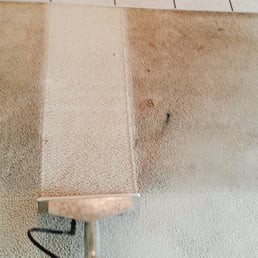
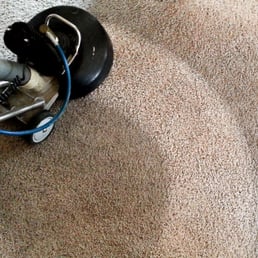
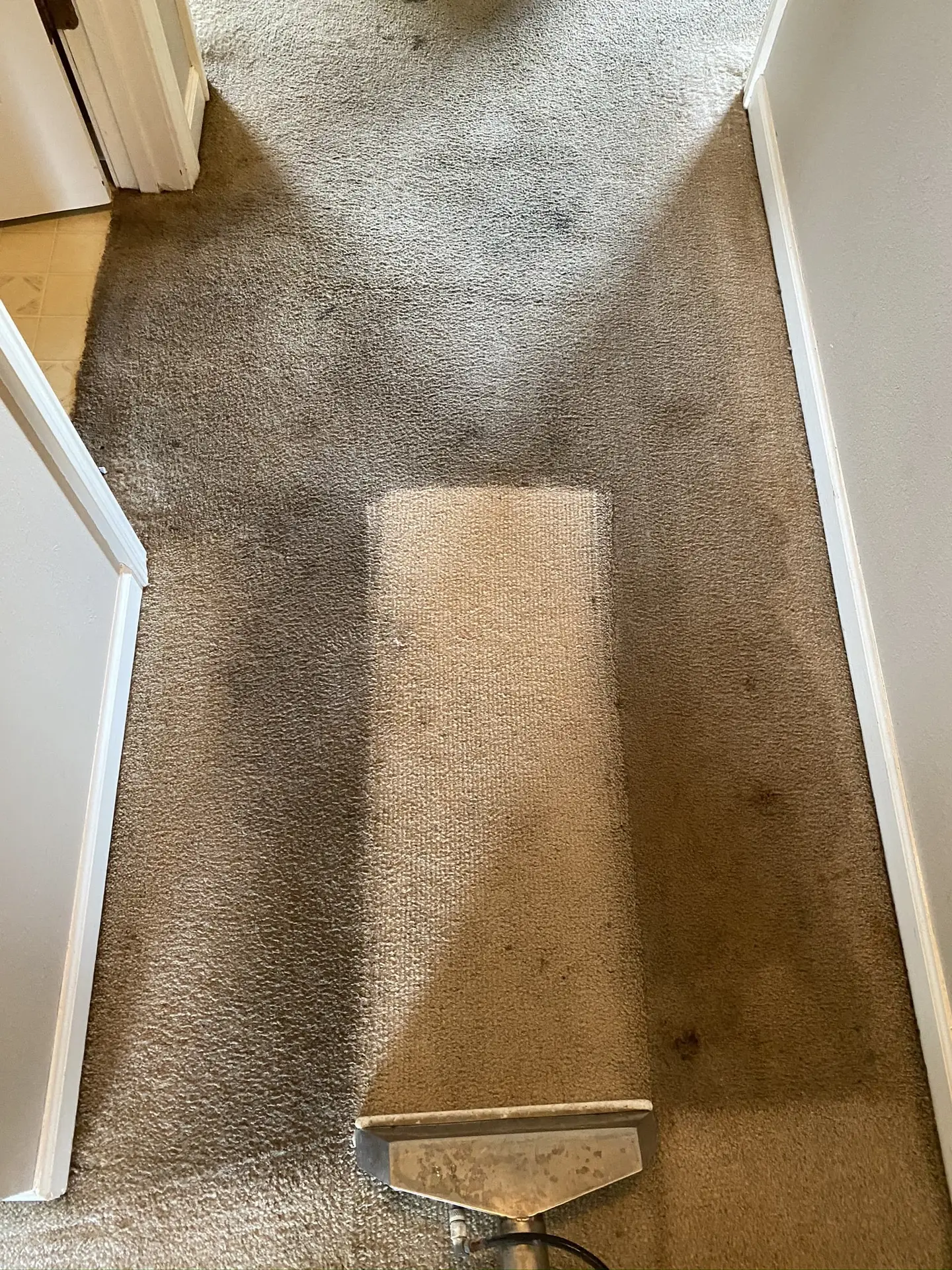
You can buy the gentlest cleaner on the market and still create a problem if you leave it in the carpet. The safest process uses the least chemical load that can do the job, gives it time to work, then pulls it back out cleanly. Hot water extraction, often called steam cleaning, is the backbone for many carpet cleaning companies because it combines agitation with water-based rinsing and powerful extraction. When done properly, it removes embedded soil along with most of the applied detergent.
Low-moisture methods like encapsulation have a place in offices and families that need quick dry times. In residential homes with kids and pets, encapsulation works well for maintenance in between deeper cleans. It lifts light soils and crystallizes residue that vacuums out later. The caveat is that you still need periodic hot water extraction to purge what low-moisture methods cannot reach.
Dry compound cleaning also offers very fast dry times and low risk of over-wetting. The trade-off is that you have to vacuum thoroughly afterward to remove the compound. Some pets love to investigate anything that looks like crumbs. In homes with curious dogs, technicians keep a close eye on the compound and ensure no granules remain.
The Walkthrough That Protects Your Family
A good carpet cleaning service starts with a conversation at the door rather than a hose at the curb. An experienced technician will ask where children play and where pets sleep, then note sensitive areas like a nursery, a reading nook on the floor, or a crate zone. That information shapes product selection and rinse intensity. Many companies carry both standard and hypoallergenic stock, along with rinse aids that help remove detergents and neutralize pH. The tech will also ask about allergies, asthma, and any recent illnesses. Those details alter dwell times, ventilation needs, and whether to add an extra rinse pass.
Pretesting matters with kids and pets because you want to avoid surprises. Wool area rugs in a child’s room can bleed if treated with high-alkaline solutions. Some spot removers will discolor a nylon carpet if applied too strong. A few seconds of pretesting on a hidden corner can prevent a ruined rug. A conscientious service treats pretesting as standard, not optional.
Preparing the Home Without Turning It Upside Down
Perfection is not required for a safe result, but a bit of prep helps. Pick up toys, dog bones, and floor books, then give the carpet a quick vacuum to remove loose debris. Move lightweight furniture off play areas to allow full coverage. Many pros will move a few smaller pieces as part of the job, then place them back on protective tabs or blocks. If a crawling toddler is in the house, ask the technician to keep chemicals capped and set them out of reach. Open a window or two even in cooler months to support airflow. Fresh air plus warm, dry indoor conditions lets the carpet dry faster, which is one of the biggest safety wins of all.
Drying: The Hidden Safety Factor
If a home smells musty after cleaning, the process failed at the finish line. Any carpet left damp for too long invites odor and, in some cases, microbial growth in backing materials. Professionals mitigate this with strong extraction, controlled water use, and air movers. In a typical residential setting, a properly cleaned carpet should be dry to the touch within 4 to 8 hours. High humidity, thick pile, or dense padding can push that to 12 hours. A carpet that takes more than a day needs intervention.
The checklist is simple and critical: encourage cross-ventilation, run the HVAC fan, and use ceiling fans or box fans to keep air moving. Keep pets and kids off until dry to avoid re-soiling and slipping hazards. If you have a busy household, clean rooms in phases so family life can continue elsewhere. Consider scheduling morning appointments, which gives a full day for drying before bedtime.
The Pet Accident Reality and What Actually Works
Dogs and cats occasionally miss the mark. Urine issues are more complicated than a surface stain because the problem often sinks into the pad or subfloor. Ordinary carpet cleaning removes the symptom on the face fibers but leaves odor sources below. A responsible carpet cleaning company will assess with moisture meters or UV lights to locate deposits. In minor cases, an enzyme treatment coupled with deep hot water extraction is enough. In severe cases, the tech may recommend a sub-surface extraction, pad injection with oxidizers or enzyme blends, or even pad replacement in a localized area. These steps go beyond cosmetics to truly fix the odor without saturating the carpet with fragrance that only masks the problem.
For a cat-sprayed baseboard or corner, the solution might involve cleaning the carpet edge, sealing the baseboard if urine penetrated, and treating the subfloor line. It is not glamorous work, but it avoids weeks of recurring odor carpet cleaning lake of the ozarks that confuses pets and frustrates owners.
Stain Strategy for Families
The best advice I give clients: act quickly with plain water, blot do not scrub, and avoid mystery spotters. Club soda can lift some tannin stains like juice or tea without adding alkalinity. For protein spills like milk or baby formula, cool water followed by a mild enzyme spotter works well. Greasy food spots respond to a drop of mild dish soap diluted heavily in water, then a thorough rinse. If in doubt, pause and call your carpet cleaning service for guidance before a small spot becomes a color loss issue.
Repeated harsh spot treatments create ring stains and residue that grabs soil. That is why professionals do light agitation with soft brushes and rely on rinse extraction rather than aggressive scrubbing. The goal is to remove the stain and leave nothing clingy behind.
How Often to Clean When Kids and Pets Run the Show
For a typical family with two children and a dog, I recommend professional hot water extraction every 9 to 12 months for main living areas, sooner for traffic lanes near entries. Playroom carpets take more spills and benefit from a shorter interval in the 6 to 9 month range. Bedrooms can stretch longer unless a pet sleeps there nightly. Between professional visits, vacuuming two to three times a week with a quality machine that has a brushroll and strong filtration keeps soil from grinding into fibers.
Some carpet cleaning companies offer maintenance plans with smaller, more frequent visits for touch-ups on traffic lanes and spots. This can be cost-effective and keeps residues low since you are not relying on heavy doses of retail spotters.
The Equipment Difference You Can Feel
A truck-mounted hot water extraction unit provides higher heat and stronger vacuum than most portable machines. Heat reduces the need for aggressive chemicals by boosting cleaning power. Strong vacuum removes more soil and moisture, which shortens dry times. Portables still have a place in high-rise apartments or homes where hoses cannot reach. A skilled technician can get excellent results with either type, but better equipment gives more margin for child and pet safe cleaning because it allows thorough rinsing with less product.
Grooming tools matter as well. A carpet rake or brush lifts pile after cleaning, helping airflow reach the base of fibers. That speeds drying and prevents traffic patterns from setting as the carpet dries. Edge tools that remove dust from along baseboards and under radiators help allergy-prone families who spend time playing on the floor.
Allergies, Asthma, and Sensitive Skin
When a child has eczema or a family member has asthma, the conversation turns specific. The safest approach focuses on fragrance-free chemistry, thorough rinsing, and HEPA-level filtration on any vacuuming step. Some carpet cleaning services pre-rinse with neutral water or follow cleaning with a separate freshwater rinse to strip any lingering detergent. That extra pass takes a few minutes more and a bit of extra effort. It pays dividends for sensitive households.
Schedule during a time when the child can be out of the house for the active cleaning and early drying window. Even benign odors can be uncomfortable in the moment. Ask the technician to do the child’s bedroom first if naps are part of the daily rhythm, then close the door with a fan running.
Choosing a Carpet Cleaning Company You Can Trust
Referrals from other parents and pet owners carry weight because they reveal how a company performs in real homes, not just on spotless demo carpets. Read reviews for mentions of fast drying, clear communication, and follow-through on pet odor issues. Ask direct questions: what products do you plan to use, can you go fragrance-free, how will you handle a toddler’s playroom and a dog’s favorite rug, and what is your average dry time?
Look for service providers who explain their process without hiding behind jargon. If a company dismisses your safety concerns or cannot name the products they are using, keep shopping. Carpet cleaning companies that operate with transparency tend to deliver better results and make good partners long-term.
Managing Area Rugs and Special Materials
Nursery rugs, wool runners, and natural fiber pieces need tailored care. Wool prefers mildly acidic cleaners and cooler water to avoid texture changes and dye bleed. Viscose and rayon look luxurious but dislike water and agitation. A responsible carpet cleaning service will flag these fibers during the pre-inspection and either adjust the method or recommend in-plant cleaning where drying and handling can be controlled more precisely.
If your child spends time on a particular rug for tummy time or reading, it is worth asking for a freshwater rinse at the end, even if the rest of the room does not receive it. That extra step helps ensure the piece used most closely by your child is as residue-free as possible.
Protectors and When They Help
Fiber protectors create a barrier that slows absorption, buying time to blot spills before they stain. For families, that can mean the difference between panic and a towel. Not every carpet needs a protector, and not every protector is equal. Fluorochemical protectors have a long track record for water and oil repellency. Some modern water-based formulas balance performance with a lighter environmental footprint. If you choose a protector, apply it after a thorough rinse on a clean, damp carpet, then groom and allow full drying. Reapplication schedules typically run 12 to 24 months depending on traffic.
One caveat: protectors reduce staining, not wear. You still need regular vacuuming and sensible rules like shoes off in play areas.
A Real-World Day: A Family, a Dog, and a Playroom
A recent job illustrates what works. Two kids under five, a gentle but enthusiastic Labrador, and a playroom that had seen better days. The parents wanted clean floors before a family visit and were worried about fragrances and residues. We walked through the home, identified the playroom rugs as wool blends, and the main carpet as solution-dyed nylon. We chose a low-fragrance pre-spray, mildly alkaline for the nylon traffic lanes, and a wool-safe product for the rugs. Spots from apple juice and paint were pretreated with enzyme and solvent gels sparingly, then gently agitated with a soft brush.
We used hot water extraction with a freshwater rinse, followed by two extra dry passes in the playroom. Doors cracked open, box fans set on low, HVAC fan turned to On. Dryness to the touch arrived in 5 hours, playroom first. The dog re-entered that evening, and the parents reported no noticeable smell, no sticky feel under socks, and a visible lift in pile. The next morning, we checked in and confirmed the urine odor near the back door had not resurfaced. The solution was targeted injection and extraction instead of masking sprays. The family signed up for a 9-month maintenance plan, which will keep everything in control without heavy chemistry.
When DIY Is Fine and When It Is Not
Spot care and small-area maintenance are well within a homeowner’s reach. A wet/dry vacuum can be a lifesaver for spills, combining flood, rinse, and extract in one go. For annual or semiannual deep cleaning, equipment power and technique make a noticeable difference. Rental machines can help in a pinch, but the common pitfalls are overwetting, under-rinsing, and leaving soap behind. If you go that route, pre-vacuum thoroughly, use measured doses, and run a final pass with plain warm water, then several dry passes to extract as much moisture as possible. Keep children and pets out of the area until fully dry.
SteamPro Carpet Cleaning2500 Bay Point Ln, Osage Beach, MO 65065
(573) 348-1995
Website: https://steamprocarpet.com/
For large urine issues, high-value rugs, or allergy-sensitive households, bring in a professional. The risk of turning a small problem into a big one outweighs the savings.
A Short, Practical Checklist for Families
- Ask for fragrance-free or low-fragrance options, and confirm products used by name. Prioritize fast drying with airflow, fans, and HVAC set to circulate. Request a freshwater rinse pass on play areas and nursery rugs. Keep children and pets off cleaned areas until fully dry to the touch. Schedule regular professional cleaning, then maintain with frequent vacuuming.
Building a Safe, Clean Floor Routine That Lasts
The goal is not a museum-grade carpet. It is a floor that feels comfortable and stays healthy for kids and pets who live on it. Smart chemistry, careful rinsing, and good drying get you there. A trustworthy carpet cleaning service will explain their approach, respect the realities of family life, and leave you with fibers that look better, smell neutral, and do not carry hidden film.
Over time, this approach saves money as well. Fibers that are cleaned and dried correctly resist matting and stay brighter. Households notice fewer recurring stains and less dust floating in the afternoon light. Most of all, parents can put down a blanket for tummy time or let the dog flop by the couch without wondering what else is in that soft, quiet surface beneath them.
Carpets absorb life. Treat them with the same common sense and care you give a favorite sweater or a child’s skin. Choose methods that remove what you do not want, leave behind nothing you do not need, and support the way your family really lives. When you partner with a reliable carpet cleaning company that understands those priorities, the floor becomes a friend again, not a chore that nags at the back of your mind.